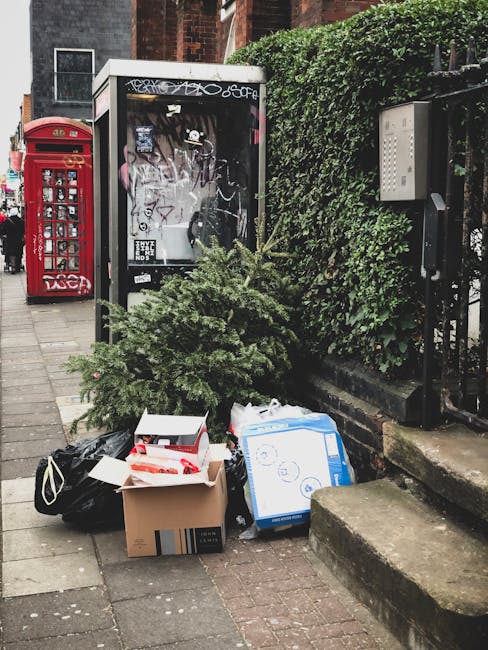
Bruce Grove recycling and rubbish removal centre guide
If you're trying to clear out clutter, dispose of bulky items, or make sense of local recycling options, this Bruce Grove recycling and rubbish removal centre guide is here to help. Truth be told, waste disposal can feel oddly complicated for something so ordinary. One minute you're staring at an old sofa, the next you're wondering whether it needs to be recycled, reused, broken down, or taken away as mixed rubbish. That's where a clear, practical guide makes life easier.
In Bruce Grove, the real challenge is not just getting rid of things. It's choosing the right route for each item, avoiding mistakes, and keeping costs, time, and sustainability in balance. This guide walks you through how recycling and rubbish removal typically work, who uses these services, what to prepare, what to avoid, and when it makes more sense to use a professional clearance service such as waste removal or one of the specialist clearance options available on the site.
You'll also find a comparison table, a checklist, and a few down-to-earth examples from everyday life. No fluff. Just the kind of advice that helps when you've got bags by the door and a deadline looming.
Table of Contents
- Why Bruce Grove recycling and rubbish removal centre guide Matters
- How Bruce Grove recycling and rubbish removal centre guide Works
- Key Benefits and Practical Advantages
- Who This Is For and When It Makes Sense
- Step-by-Step Guidance
- Expert Tips for Better Results
- Common Mistakes to Avoid
- Tools, Resources and Recommendations
- Law, Compliance, Standards, or Best Practice
- Options, Methods, or Comparison Table
- Case Study or Real-World Example
- Practical Checklist
- Conclusion
- Frequently Asked Questions
Why Bruce Grove recycling and rubbish removal centre guide Matters
Bruce Grove sits in a busy part of North London where homes, flats, offices, and small businesses all generate different kinds of waste. That sounds obvious, but it's exactly why people get stuck. A stack of cardboard from a flat move does not need the same handling as broken shelving from a shop fit-out, and a garden pile after a weekend cut-back is another story altogether.
A good guide matters because waste affects more than just your bin day. It affects safety in shared hallways, fire risk in storage areas, visual clutter, recycling rates, and even neighbour relations. We've all seen the "just leave it there for now" approach turn into a month-long eyesore. Not ideal.
For many households, the biggest benefit is clarity. Once you know what belongs in a recycling stream, what needs dedicated rubbish removal, and what may need specialist handling, the whole job feels less stressful. You make fewer trips. You waste less time. You usually waste less money too.
There's also a sustainability angle. More items can often be separated for reuse or recycling than people assume. That old wardrobe, for example, might be suitable for furniture disposal rather than being thrown into general waste. The difference is important, and it often starts with knowing your options.
Expert summary: The best rubbish removal process is rarely the fastest one on paper. It's the one that balances convenience, proper sorting, safety, and the highest realistic level of recycling.
If you're looking to reduce landfill and make your clear-out more responsible, the site's recycling and sustainability information is a useful place to start thinking about the bigger picture.
How Bruce Grove recycling and rubbish removal centre guide Works
At a practical level, the process usually follows a simple pattern: identify the waste, separate what can be recycled, decide what needs removal, and then choose the right service or disposal route. Easy to say, slightly messier in real life. Especially if you're dealing with a loft, a garage, or a flat with limited access and nowhere to park. You know the sort of situation.
Most people in Bruce Grove will deal with one of three broad routes:
- Local recycling for material that can be processed again, such as cardboard, metal, some plastics, glass, and certain electricals where accepted.
- Rubbish removal for mixed household or commercial waste that cannot go to recycling streams.
- Specialist clearance for items like bulky furniture, renovation debris, office contents, garden waste, loft clutter, or garage junk.
Choosing well matters. A single bulk item can sometimes be handled simply, while a mixed pile from a home clean-out may need a more structured approach. If you're clearing a property, services like house clearance or home clearance may make more sense than trying to solve it in lots of separate trips.
For business users, the process tends to focus on speed, compliance, and minimal disruption. Offices especially benefit from an organised approach, which is why office clearance and business waste removal can be more efficient than ad hoc disposal.
And for builders or anyone mid-renovation, rubble, timber, packaging, plasterboard offcuts, and mixed construction waste can pile up quickly. That's where builders waste clearance becomes the practical route.
Key Benefits and Practical Advantages
The biggest advantage of using a proper recycling and rubbish removal route is simply getting control back. Waste has a way of expanding to fill the space available. Leave it for a week and it seems manageable. Leave it for three weeks and suddenly the room is a storage unit with bad lighting.
Here are the main benefits people usually notice:
- Less stress: A clear plan removes the guesswork.
- Cleaner spaces: Floors, entrances, gardens, and storage areas become usable again.
- Better recycling outcomes: More materials can be separated correctly.
- Safer environments: Less trip hazard, less clutter, less mess.
- Faster turnaround: Particularly useful after moves, refurbishments, or office changes.
- Better value for bulky jobs: A single collection can be easier than repeated small removals.
There's another advantage people often overlook: decision fatigue drops sharply when someone else manages the heavy lifting. This is especially true if you're dealing with furniture, white goods, or awkward items from upper floors. A worn-out sofa on the third floor without a lift? No thank you.
If furniture is part of the mix, it helps to separate what can be reused from what is broken beyond repair. The site's furniture clearance and furniture disposal pages are useful reference points when planning that side of the job.
Who This Is For and When It Makes Sense
This guide is useful for a surprisingly wide mix of people. If you live in Bruce Grove or nearby and you've got waste to shift, there's a good chance it applies to you in some way.
Households and tenants
If you're clearing out before a move, replacing furniture, or simply trying to reclaim space, a rubbish removal service can save a lot of time. It's especially handy in flats where shared access and narrow stairwells make lifting awkward. A quick flat clear-out can turn into a full logistical puzzle otherwise. That's why flat clearance is such a common need in built-up parts of North London.
Landlords and letting agents
End-of-tenancy clearances often involve a mix of forgotten belongings, damaged furniture, bagged waste, and the occasional mystery item left under a bed. Been there, seen it. A structured clearance helps prepare a property for cleaning, repairs, and re-letting without delay.
Homeowners and renovators
From loft decluttering to garage sorting, larger home projects generate more waste than people expect. If you're tackling seasonal clearing, the practical routes are often loft clearance or garage clearance, depending on where the mess has migrated to. And it always migrates somehow.
Gardening and outdoor projects
Green waste, broken planters, soil bags, old fencing, and hedge trimmings are common after outdoor work. For those jobs, garden clearance is usually the most sensible route.
Businesses
Shops, offices, and small commercial premises need waste removed efficiently and with minimal disruption. If time matters-and it usually does-professionally managed removal can help keep operations smooth.
Step-by-Step Guidance
Here's a straightforward way to handle the process without turning it into a weekend-long drama.
- Identify everything you need to remove. Walk through the space and group items by type: recyclables, reusable items, bulky furniture, general rubbish, and anything that may need special handling.
- Separate obvious recycling first. Cardboard, clean metal, bottles, and some electrical items are often easiest to sort early.
- Check what is reusable. A table with a solid frame, a shelf in good condition, or office storage that's still functional may be better treated as clearance rather than waste.
- Measure access. Note stairways, parking access, loading space, lift availability, and any tight corners. This matters more than people think.
- Estimate the amount of waste. A few bags is a very different job from a full property clear-out. If you're unsure, take photos and compare the load visually.
- Choose the right service type. A domestic clear-out, business collection, builders waste job, or furniture disposal project all need slightly different handling.
- Prepare the items. Remove personal belongings, flatten cardboard where possible, and keep pathways clear.
- Arrange collection or drop-off. Pick a time that reduces disruption, particularly if you share entrances or work around other people's schedules.
- Confirm what happens to the waste. Ask whether items are recycled, reused, donated where appropriate, or sent for disposal.
- Keep a note of the outcome. For landlords, businesses, and anyone doing repeated clearances, this helps with planning and accountability later on.
The key thing here is not to overcomplicate the first pass. Start with sorting. Then decide. Then move. Simple, but effective.
Expert Tips for Better Results
A bit of planning goes a long way. The difference between a smooth collection and a frustrating one is often just preparation. In our experience, the jobs that run best are the ones where the customer has already done the easy sorting before the team arrives. That sounds obvious, but it's surprising how often it gets skipped.
- Group items by material. Keep wood, metal, cardboard, and mixed waste separate where possible.
- Make access as easy as you can. Clear the hallway, open gates, reserve space if you can do so safely.
- Photograph bulky loads. This helps estimate the scale of the job and avoid surprises.
- Break down what you can. Flat-pack furniture, folded cardboard, or dismantled shelving is easier to move and sort.
- Use the right clearance category. A garage full of random items is not the same as an office strip-out.
- Think about safety first. Avoid lifting alone if items are heavy, awkward, or sharp-edged.
One small but valuable tip: keep a "do not move yet" area for anything containing documents, keys, chargers, or sentimental items. More than one person has accidentally boxed up the useful stuff with the rubbish. It happens.
If you're dealing with a property full of mixed belongings, services like house clearance and home clearance can help keep the process organised rather than chaotic.
Common Mistakes to Avoid
Most waste jobs go wrong in predictable ways. The good news is that they're avoidable once you know what to watch for.
- Leaving sorting until the last minute. This usually leads to rushed decisions and more mixed waste.
- Underestimating volume. What looks like "just a few bits" can fill a van faster than expected.
- Ignoring access issues. Narrow stairs, controlled parking, and shared entrances can affect timing and cost.
- Mixing everything together. Recycling becomes much harder when materials are piled randomly.
- Forgetting about hazardous or specialist items. Some items need more care than standard household rubbish.
- Not checking what the provider handles. Not every clearance job is suitable for every service type.
There's also a subtle one: people sometimes assume all waste is "just waste." It isn't. A broken chair, a stack of cardboard, and a bag of renovation offcuts each belong in a different decision path. That distinction saves a lot of hassle.
And yes, the odd sock, charger, and lonely teaspoon do tend to appear in the final sweep. Why do they always do that?
Tools, Resources and Recommendations
You don't need a complicated toolkit, but a few basics make the work much easier.
- Sturdy gloves: Useful for sharp edges, splinters, and rough surfaces.
- Strong bin bags or rubble sacks: Better for mixed lightweight waste and garden debris.
- Tape and marker pen: Helpful for labelling boxes or separating items for reuse.
- A tape measure: Essential for bulky furniture and access planning.
- Basic cleaning supplies: A broom, dustpan, and cloth can help leave the area ready for use after removal.
- Phone camera: Good for documenting the waste load before collection.
For planning around different types of waste, these pages can help narrow the right route:
- builders waste clearance for renovation debris
- garage clearance for stored household clutter
- loft clearance for long-forgotten boxes and bulky items
- office clearance for desks, chairs, and commercial contents
- waste removal for mixed, general clearance needs
If you're comparing your options, you may also want to look at pricing and quotes so you can weigh convenience against budget with a clear head.
Law, Compliance, Standards, or Best Practice
Waste disposal in the UK is not something to treat casually. Even if you're only clearing a home, the basic duty is to make sure rubbish is handled responsibly and passed to an appropriate carrier or facility. In plain English: don't hand waste to someone if you have no reason to believe they'll deal with it properly.
For businesses, the compliance bar is higher. Commercial waste should be managed with proper records and sensible due diligence. That means checking who is collecting it, what happens to it, and whether the process supports recycling where reasonably possible. If you run an office, shop, or workshop, a tidy paper trail is worth having. Nobody enjoys paperwork, but there it is.
Good practice also includes:
- separating recyclable materials where feasible
- keeping hazardous or restricted items out of general loads
- protecting staff and residents from avoidable lifting risks
- using a service that explains handling and disposal clearly
- ensuring shared areas stay safe and unobstructed during collection
If safety and responsibility matter to you, it's worth reviewing the provider's health and safety policy and insurance and safety information. For many readers, that adds a welcome bit of peace of mind.
There are also broader business ethics considerations. If you're choosing a waste partner for an ongoing contract, the site's modern slavery statement and about us information help build trust around how the business presents itself.
Options, Methods, or Comparison Table
Different waste jobs call for different methods. Here's a simple comparison to help you decide what makes sense.
| Option | Best for | Pros | Limitations |
|---|---|---|---|
| Self-sorting and local recycling | Small amounts of clean, separated material | Cost-effective, good for recycling, simple for light loads | Time-consuming, harder with bulky or mixed waste |
| DIY multiple trips | Households with a vehicle and free time | Flexible, good control over sorting | Labour-heavy, parking and access issues, can take ages |
| Professional rubbish removal | Mixed household or business waste | Fast, convenient, reduced lifting and sorting stress | Costs more than doing it yourself |
| Specialist clearance service | Furniture, lofts, garages, offices, builders waste | Efficient, tailored to the job, better for complex access | Needs accurate item description and planning |
In practice, many people use a mix of methods. For example, they might recycle cardboard themselves, then arrange a collection for heavy furniture or renovation debris. That blend often gives the best balance of effort and value.
If furniture is part of the job, it's worth checking whether furniture disposal or furniture clearance better fits the situation.
Case Study or Real-World Example
Imagine a typical Bruce Grove flat on a Friday afternoon. The occupant has just finished a long-overdue declutter: a wobbly bookcase, two broken chairs, a pile of cardboard boxes, some old clothes, a vacuum that has definitely seen better days, and a few bags of mixed rubbish from under the sink.
At first glance, it all feels like one job. But it's really three.
The cardboard can be flattened and recycled. The usable furniture might be assessed for reuse or handled through furniture clearance. The broken items and mixed rubbish need removal. If the flat is upstairs and the stairwell is narrow, trying to manage all that alone would be, frankly, miserable.
So the better approach is to sort the load, identify the reusable or recyclable pieces, and arrange a single collection for the rest. That reduces time, keeps the hallway clear, and avoids several back-and-forth trips with bags. By the end, the space feels lighter. Quieter, even. You can hear the floor again, which sounds silly until you've lived through a messy clear-out.
The same logic applies to a garage, loft, or small office. A little structure turns a daunting job into something manageable.
Practical Checklist
Use this checklist before your clearance or recycling job begins.
- Have I separated recyclables from general rubbish?
- Have I checked whether any items can be reused or donated?
- Have I measured large items and any tight access points?
- Have I removed personal belongings, documents, and valuables?
- Have I identified any items that may need special handling?
- Have I chosen the right type of clearance service?
- Have I cleared the path for safe lifting and collection?
- Have I thought about parking, loading, and timing?
- Have I reviewed safety and insurance information if relevant?
- Have I compared the likely effort of DIY against a professional option?
That list sounds basic, but it saves a lot of irritation later. Honestly, a ten-minute check can prevent a one-hour headache.
Conclusion
A Bruce Grove recycling and rubbish removal centre guide should do one thing above all: make waste decisions less confusing. Once you understand how to separate, sort, and choose between recycling, rubbish removal, and specialist clearance, the whole process becomes much more manageable. You don't need perfection. You just need a sensible plan.
For many people, the best results come from mixing a little self-sorting with professional support for the awkward, heavy, or time-sensitive stuff. That's especially true in homes and flats where access is tight or there's a lot to clear in one go. The aim is simple: keep useful materials out of general waste where possible, stay safe, and get your space back without stress.
If you're ready to move from cluttered to clear, take the next step and review the most relevant service options and practical information on the site. A small bit of planning now can save a lot of effort later. And once it's done, it really does feel better.
Get a free quote today and see how much you can save.
Frequently Asked Questions
What is the Bruce Grove recycling and rubbish removal centre guide for?
It helps residents, landlords, and businesses understand how to sort waste, choose the right disposal route, and avoid common mistakes when clearing items in and around Bruce Grove.
Can I put everything in general rubbish?
Not usually. Recyclables, reusable furniture, garden waste, and builders debris often need different handling. Sorting first tends to save time and supports better recycling outcomes.
When should I use a professional rubbish removal service?
Use one when the load is bulky, mixed, heavy, time-sensitive, or difficult to move safely. It's also a smart choice when access is awkward, such as in upper-floor flats.
Is furniture better recycled or removed as waste?
If it's still usable, furniture clearance is often the better route. If it's damaged beyond repair, furniture disposal may be more appropriate. The condition of the item really matters.
What kind of jobs suit house clearance?
House clearance is suitable for full-property or large-scale clear-outs, such as after a move, a bereavement, a long tenancy, or a major declutter.
Do offices need a different waste approach?
Yes. Office waste often includes desks, chairs, paperwork, IT items, and mixed contents. Office clearance and business waste removal are usually better than treating it like ordinary household rubbish.
How do I prepare for a clearance visit?
Group items by type, remove valuables, clear access routes, and measure anything bulky. A few simple preparations can make the job smoother and quicker.
What should I do with builders waste?
Construction debris should be kept separate from household rubbish wherever possible. Builders waste clearance is typically the cleaner and safer option for renovation leftovers.
How can I tell if my waste is recyclable?
Look at the material first. Clean cardboard, metal, glass, and some plastics are often recyclable, while mixed or contaminated waste usually is not. When in doubt, sort conservatively.
Are garage and loft clearances worth booking separately?
They can be. A garage clearance may involve heavier, more varied items, while a loft clearance often means awkward access and forgotten clutter. Treating them as different jobs can improve planning.
What makes a waste service trustworthy?
Clear communication, sensible safety measures, transparent pricing, and a sensible approach to recycling all matter. Checking the company's about us, health and safety, and pricing information is a good habit.
Can I compare options before booking?
Yes, and you should. Compare how much effort each route takes, how quickly it can be done, and whether the items need specialist handling. That simple pause can save a lot of bother later.